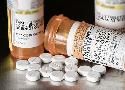
Less than 5% of patients who have their opioid treatment managed in the setting of a pain clinic test positive for illicit drugs, suggesting that close monitoring of this patient population is worthwhile.

There are numerous health inequities for people with intellectual and developmental disabilities (IDD). They experience lower rates of preventive screening; higher rates of obesity, diabetes, and cardiovascular disease; lower life expectancy; and higher rates of pregnancy complications. If that’s not enough, they have been at nearly six times greater risk of dying from COVID-19.
What is driving these disparities? There are a number of contributing factors, including unconscious bias against people with disabilities, physical access barriers, and inequities due to unmet social determinants of health, to name a few. But there is one area where health care policy makers and leaders can have an immediate impact for the 10 to 16 million people with IDD in the US. That is: by educating the health care workforce to meet the needs of people with intellectual and developmental disabilities.

Exposure to air pollution increases the risk of COVID-19 hospitalization, according to a new study.

The inclusion of children in medical research is important to the development of treatments, however, its ethics may raise eyebrows if not careful.

Medical records can contain seemingly objective descriptions that are actually full of coded language and subtext. How does that affect care?

New AAMC guidelines on diversity and equity are a much-needed addition to medical education. "When data demonstrate the glaring inequities in healthcare, there should be no argument about the need to include these data in medical training."

Two new studies provide more evidence to support policies that limit ultraprocessed foods and promote consumption of fresh or minimally processed foods.